Economy Picking Etude
Channel: David Escobar
Category: Education
Tags: etudeelectric guitarguitar lessonguitar etudeeconomy pickingtutorial de guitarrapickingguitardavid escobardavid escobar lessonpickineconomy pickinsolo of the weekdavid escobar tutorialguitarra electricatutorialdavid escobar guitarragambale pickingeconomy picking etudegambale
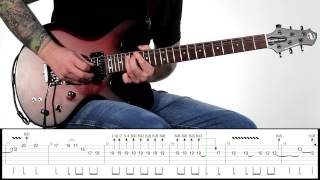
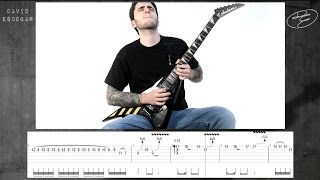
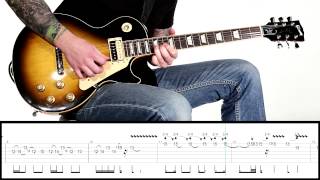
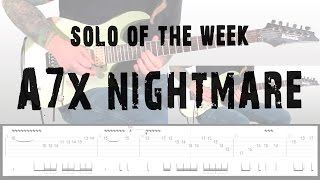
Description: ENGLISH Here you have this "chill", palm muted, Dorian Economy Picking Etude with chromatic passing tones and a quite challenging little sweep at the end. Mini lesson: The first two bars are the core of this exercise, the key for the right hand is to alternate up and down within each string but keep the same picking direction when changing strings, You can see picking patter under each note. It’s got Palm Muting (P.M.) going on all the time in all the strings except for a couple of bars as you can see in the TAB. A tip is to apply slightly less pressure to the high E and B strings so notes can be heard but mute them considerably so notes don’t ring together when changing strings, specially for the sweep at the end. The rhythm is a bit tricky to nail since you’re going from 3 to 4 and then 6 notes per beat but equally important is the fact that you’re going from 6 to 3 notes per beat when you repeat the two bars. What I try to do is focus on placing the first note of each beat is as precisely as possible on time and then the other will start falling into place. Harmonically this etude is in D Dorian so it uses the notes in the C major scale; except for the Bb chord when it momentarily goes from D Dorian o D Aeolian. ESPAÑOL Aquí les dejo este ejercicio dórico y bastante "muteado" de Economy Picking con notas de paso cromáticas y un pequeño sweep al final. Tutorial: Los dos primeros compases son la esencia del ejercicio, la clave es alternar la púa (abajo, arriba) en cada cuerda pero mantener la dirección del ataque al cambiar de cuerda. Debajo de cada nota hay un símbolo que indica hacia donde pegarle. Este ejercicio tiene Palm Muting (P.M.) en todas las cuerdas, excepto por un par de compases como se puede ver en la tablatura. La clave es aplicar un poco menos de presión en la segunda y en especial en la primera cuerda para que las notas se puedan escuchar, pero apoyar la palma derecha lo suficiente para que cada nota se pueda entender independientemente y todo suene limpio, especialmente en el sweep del final. El ritmo es un aspecto importante de este ejercicio pues hay que pasar de 3 a 4 y de 4 a 6 notas cada tiempo, pero igualmente importante es el paso de 6 a 3 notas por beat al repetir los dos compases. Personalmente para estudiar cambios rítmicos de este tipo lo hago enfocándome en la primer nota de cada tiempo y las otras van acomodándose poco a poco. En cuanto a la armonía estamos en Re dórico, usando las notas de la escala de Do mayor y algunas notas cromáticas de paso; Excepto en el acorde de Bb cuando momentáneamente pasamos a Re eólico.